Start with choices, not assumptions
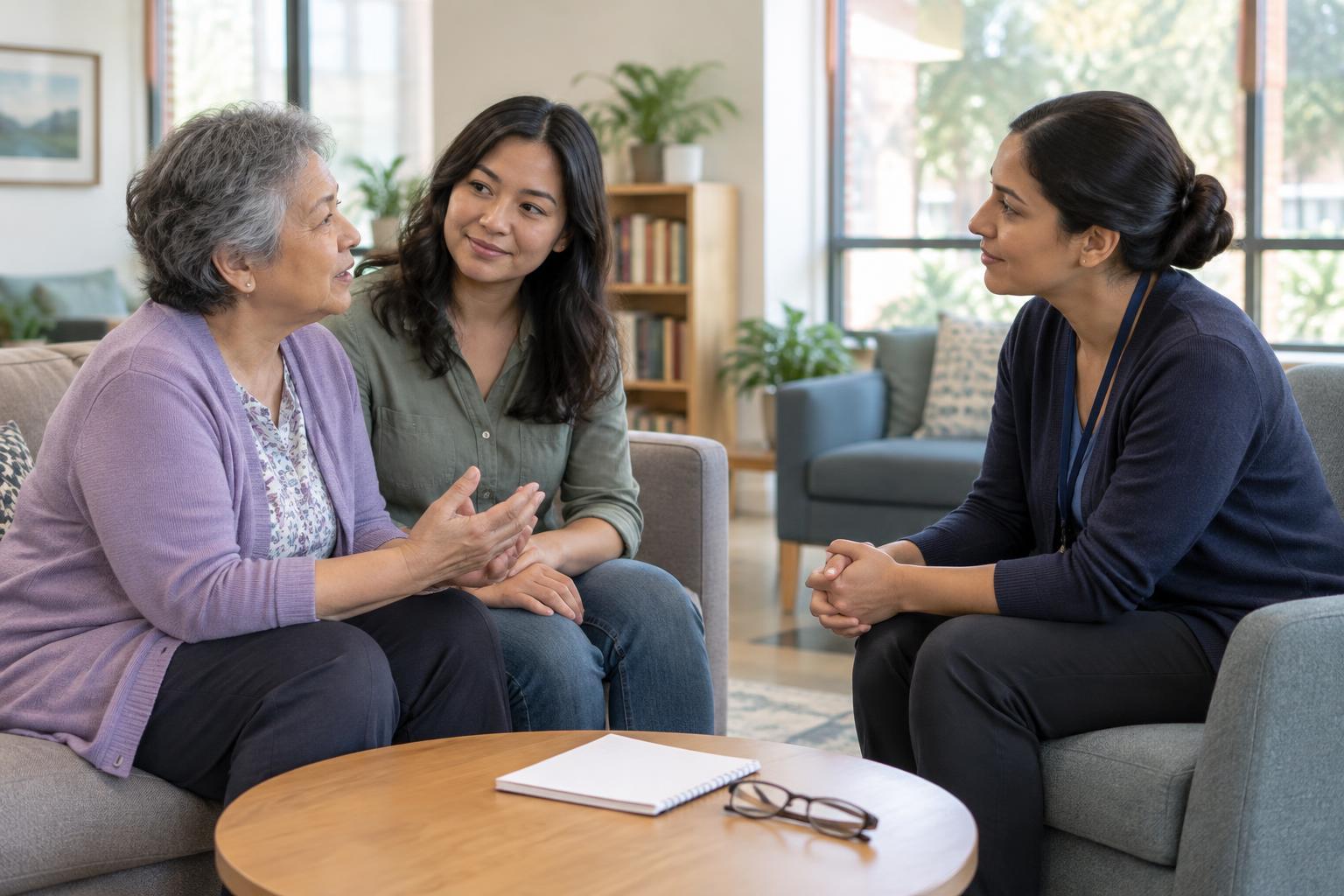
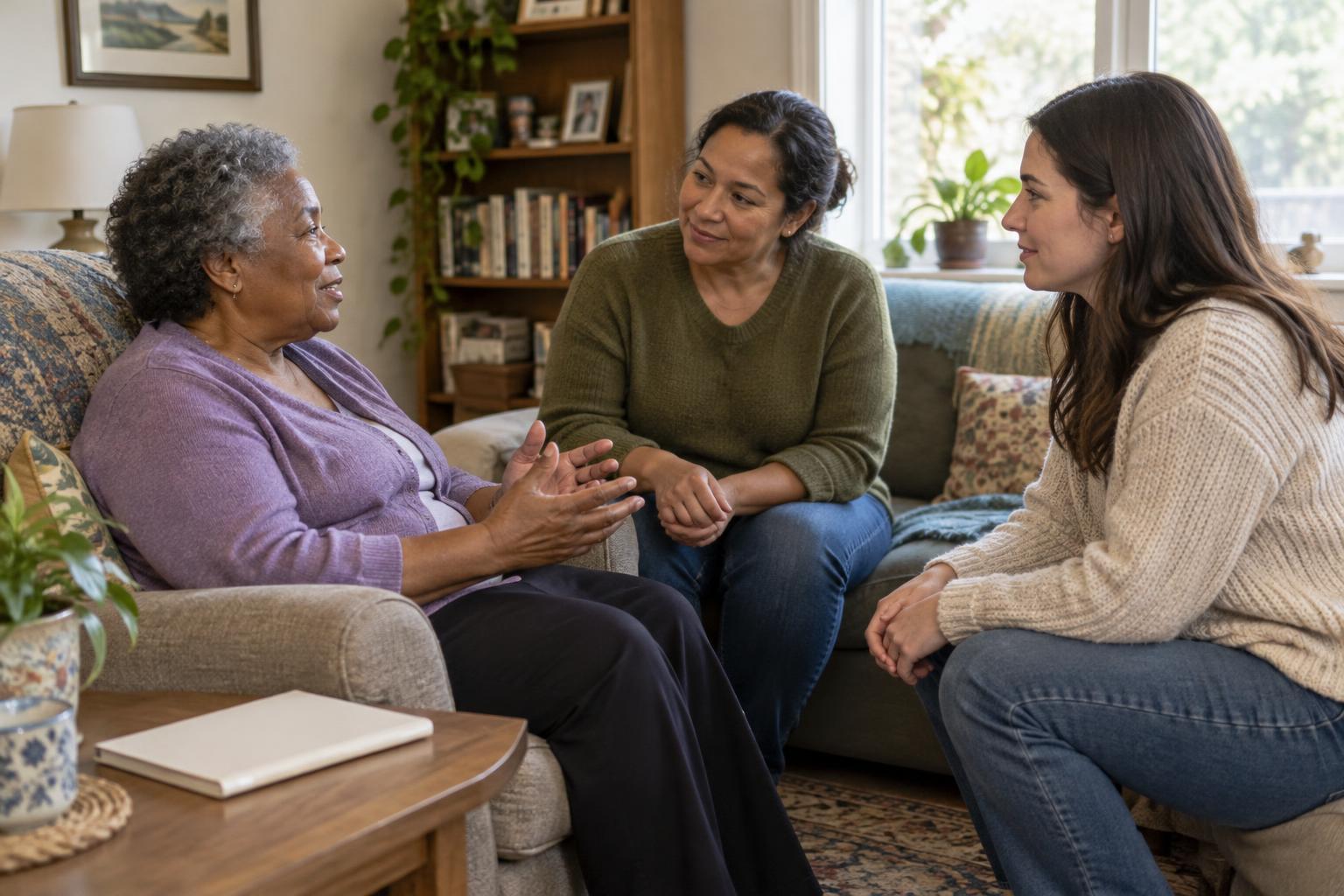
An unpaid caregiver may help a relative, friend or neighbor with daily tasks, appointments, communication or companionship. Some people attend an event together with the person they support; others need to arrange care before they can go alone. Neither arrangement tells an organizer everything about what they need. A welcoming event gives people enough information to make their own choices rather than expecting them to explain their circumstances first.
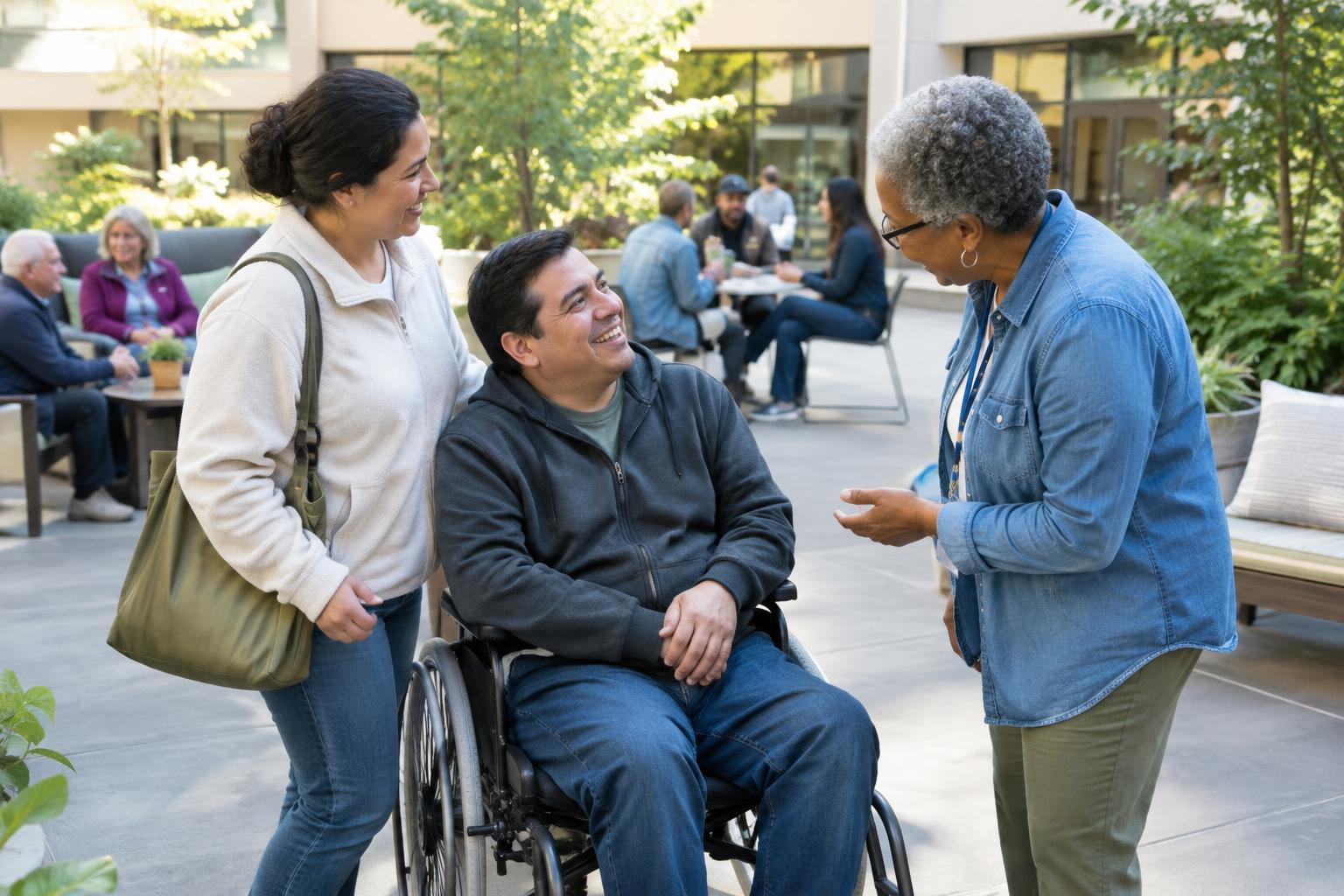
It helps to think about both members of a pair without treating them as inseparable. The person receiving support may want to join a workshop, talk with neighbors or take part in an activity on their own terms. The caregiver may want to participate rather than spend the whole event managing logistics. Where possible, offer ways to join in together, take a break or follow different activities, and let people decide what suits them.
Make the event easy to assess in advance
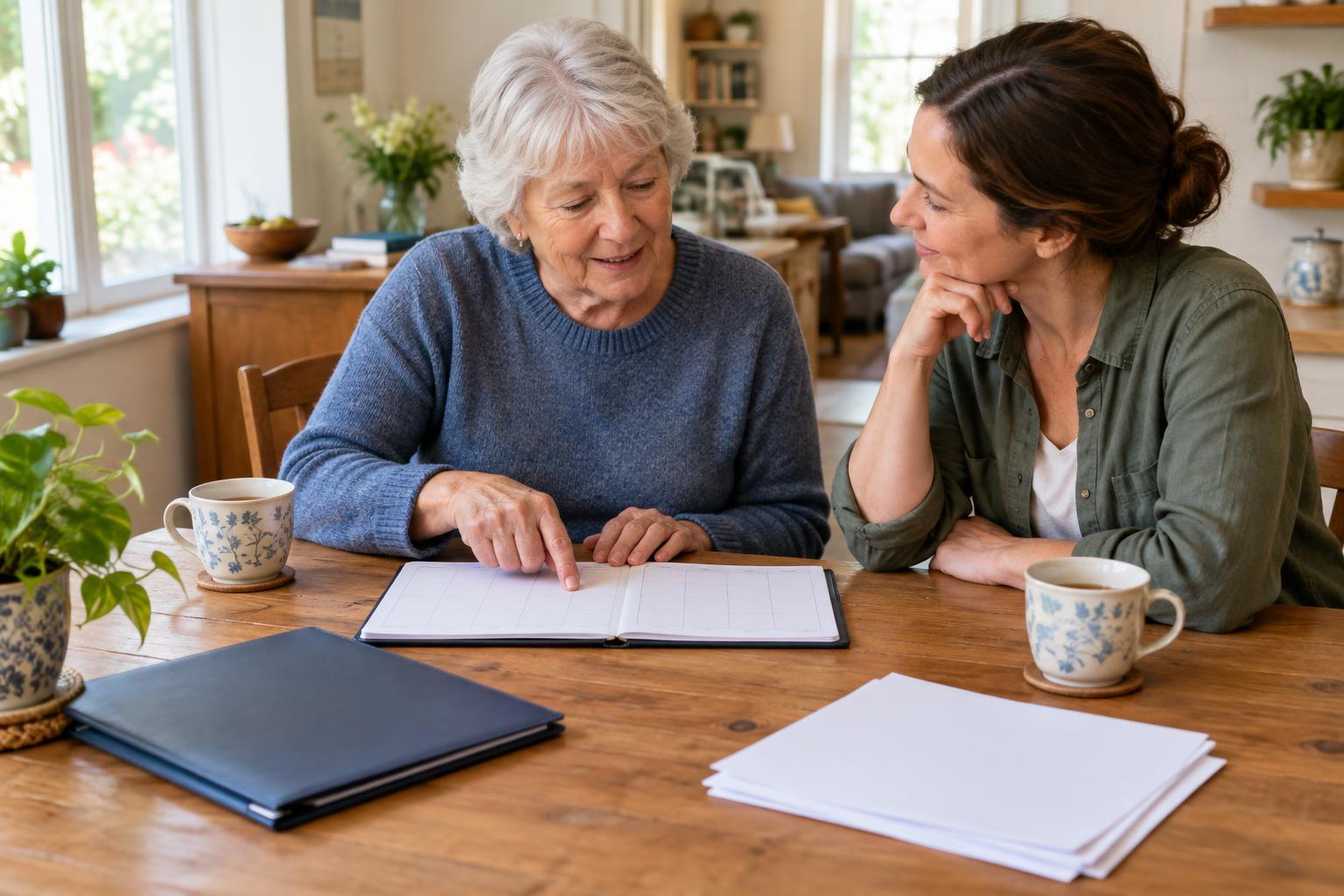
A short, practical event description can remove a surprising amount of uncertainty. Include the location, start and finish times, cost, how to register, what will happen and whether people can arrive late or leave early. Describe the venue in useful terms: step-free routes if available, seating, toilets, nearby parking or transport stops, and any quiet space. If you do not know a detail, say who can answer questions rather than implying that every access need has been covered.
Give people more than one reasonable way to ask a question when you can, such as a phone number and an email address. Keep registration questions limited to what is needed to run the event. An open invitation to share access requests can be more useful than asking people to disclose a diagnosis or describe a caring relationship. Explain whether companions are welcome and whether each attendee needs a separate booking.
Build flexibility into the experience
Caring plans can change with little notice. Simple policies—such as allowing someone to step out and return, offering a choice of seats, or making cancellation straightforward—can make attendance less stressful. For longer events, publish the schedule and identify natural breaks. If food is provided, share what is planned and how to ask about dietary needs. People can then prepare without having to guess what the day will require.
Consider different ways to participate, including listening without speaking, joining a smaller group or receiving a summary afterward. A remote option may help some people, but it should be clearly described: a livestream, a two-way discussion and a recording offer different experiences. Not every small event can provide every option. Being honest about what is available lets attendees plan around the gaps.
Help staff and volunteers offer respectful support
A warm welcome depends as much on everyday interactions as it does on facilities. Brief staff and volunteers on the event layout, the schedule, available seating and who can respond to access questions. Encourage them to address each attendee directly rather than speaking only to a caregiver or assuming that help is wanted. A simple question such as “Would this be useful?” leaves room for someone to accept or decline assistance.
Protect people’s privacy in public spaces. An attendee should not have to explain a health condition, disability or family situation to a room of strangers to request a chair or find a quieter place. Make it easy to ask discreetly, and share personal information only with those who need it to carry out an agreed arrangement. If an activity may be loud, crowded or emotionally demanding, describe that in advance without suggesting everyone will react the same way.
Learn from the people who attend—and those who cannot
After the event, ask a few specific questions: Was the information beforehand clear? Was it easy to enter and find a seat? Did the timing work? Was there anything that made participation difficult? Offer a way to respond without speaking to an organizer face to face. Avoid assuming that low attendance means there was little interest; timing, travel, cost or caring responsibilities may have been barriers.
Use feedback to choose a small number of improvements for the next event, and tell participants what changed when appropriate. A community group with limited resources might begin by improving its event description and volunteer briefing, then work toward larger changes. The aim is not to promise a perfect experience. It is to make participation more predictable, more respectful and easier to shape around real lives.