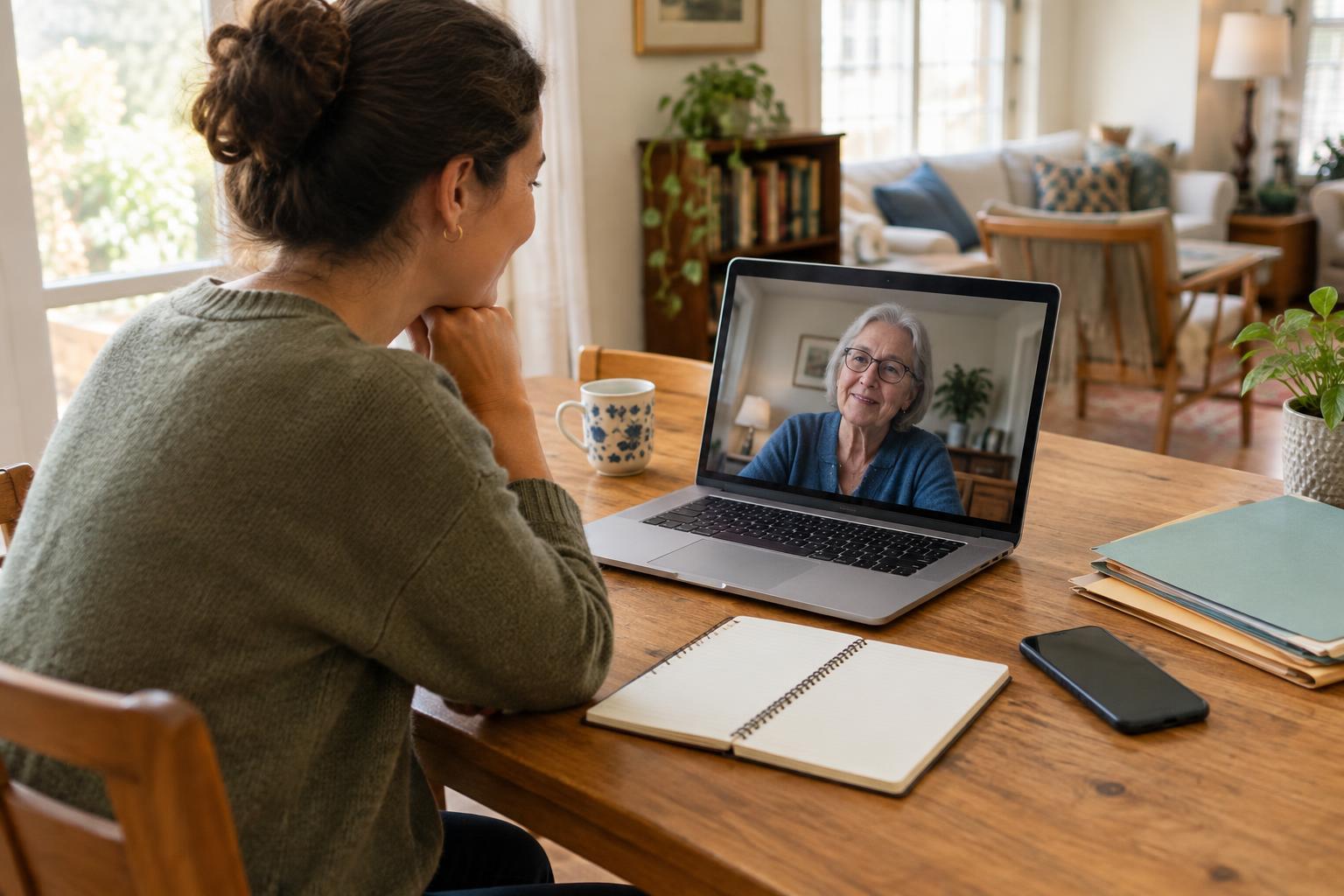
Start with the person, not the task list
When you live elsewhere, it is easy to focus on what you cannot do in person. A better starting point is a conversation with the person you want to support. Ask what is going well, what feels difficult and which kinds of help they would welcome. Someone may want assistance arranging transport but prefer to manage their own appointments. Their preferences should shape the plan wherever possible.
Separate regular needs from occasional ones. Groceries, household upkeep, social contact and trips to appointments may call for different helpers. Ask about routines that matter to the person, such as a preferred shop or a weekly visit with a friend. These details make support easier to accept and help you avoid replacing a familiar routine with one that looks efficient from a distance but does not work locally.
Build a small, dependable local network
List people and services near the person receiving care: relatives, trusted neighbors, friends, community groups and local service providers. Ask each person what they are willing and able to do rather than assigning roles by assumption. One neighbor might be comfortable collecting a parcel but not holding a spare key. A friend might enjoy regular visits but be unavailable for urgent errands. Clear expectations protect relationships as well as the care plan.
Look for information through appropriate local channels, such as a public library, community organization or official local service directory. Check what a service offers, where it operates, how to contact it and whether there are costs or eligibility rules. If you are arranging paid help, ask how scheduling, cancellations and concerns are handled. Keep a short list of alternatives so that one person’s absence does not leave an important task uncovered.
Make communication easy to follow
A simple shared plan can prevent repeated calls and conflicting arrangements. With the person’s agreement, record who handles each task, how to reach them and when to check in. Choose one place for updates, whether that is a notebook in the home, a shared digital document or a regular phone call. Use whichever method the people involved can access and will actually use.
Agree on what should be reported promptly and what can wait until the next check-in. For example, a missed delivery may be routine, while an unexpected inability to get into the home needs immediate attention. Avoid sharing personal details with everyone in the network by default. Give each helper only the information needed for their role, and ask the person receiving care before circulating contact details or sensitive information.
Organize essentials before they are needed
Distance makes it harder to search for a phone number or document at short notice. Create a practical contact sheet with the person’s preferred number, nearby contacts, service providers and any building access instructions they are comfortable sharing. Keep a separate list of recurring commitments, such as deliveries or transport arrangements, along with the steps for changing them. Review these details together so outdated information does not become part of the plan.
Store documents and account information thoughtfully. A labeled folder can help the person find papers they may need, while a secure digital copy may help an authorized helper locate a document without traveling. Access should reflect the person’s wishes and any applicable requirements; being a relative does not automatically mean you can manage someone else’s accounts or speak on their behalf. If permissions are needed, ask the relevant organization what its process is rather than assuming an informal note will be enough.
Plan for changes, then keep the plan manageable
Discuss what to do if a regular helper becomes unavailable, a visit is missed or the person cannot be reached at the usual time. Set a reasonable sequence: try another agreed contact method, ask a nearby person to check in if appropriate and use local emergency services when there is an immediate safety concern. Make sure local helpers know which situations they have agreed to handle and which ones they should escalate.
Long-distance coordination works best as an ongoing conversation, not a one-time setup. Check periodically whether the arrangements still suit the person receiving care and the people helping nearby. Tasks may need to be divided differently as schedules and needs change. You can be a reliable organizer without being available every hour: clear roles, realistic check-ins and backup contacts make support more sustainable for everyone.