Start with a pair, not two separate piles
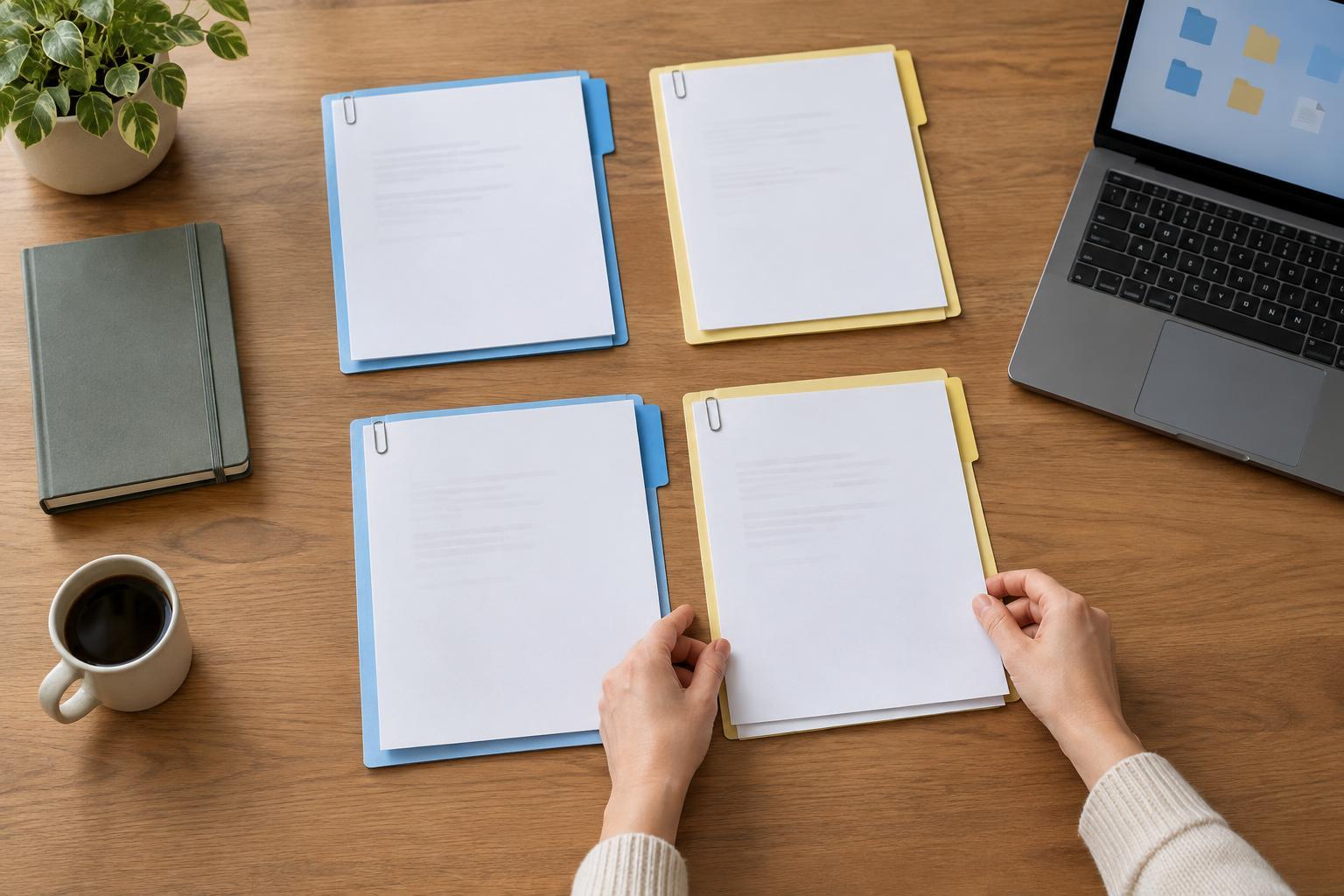
When a document has been translated, treat the original and its translation as a pair. This makes it easier to check names, dates and page order without searching through unrelated papers. It also helps you avoid sending a translation while accidentally leaving out the document it describes. Keep different documents in separate folders or groups, even if they concern the same person.
Give each pair a simple label based on what you can see, such as “Birth record — original and English translation” or “School letter — original and translation.” If several family members have similar records, add the person’s name to your own folder label. These labels are for your filing system; do not write over official text, stamps or translator notes on the documents themselves.
Check that every page has a match
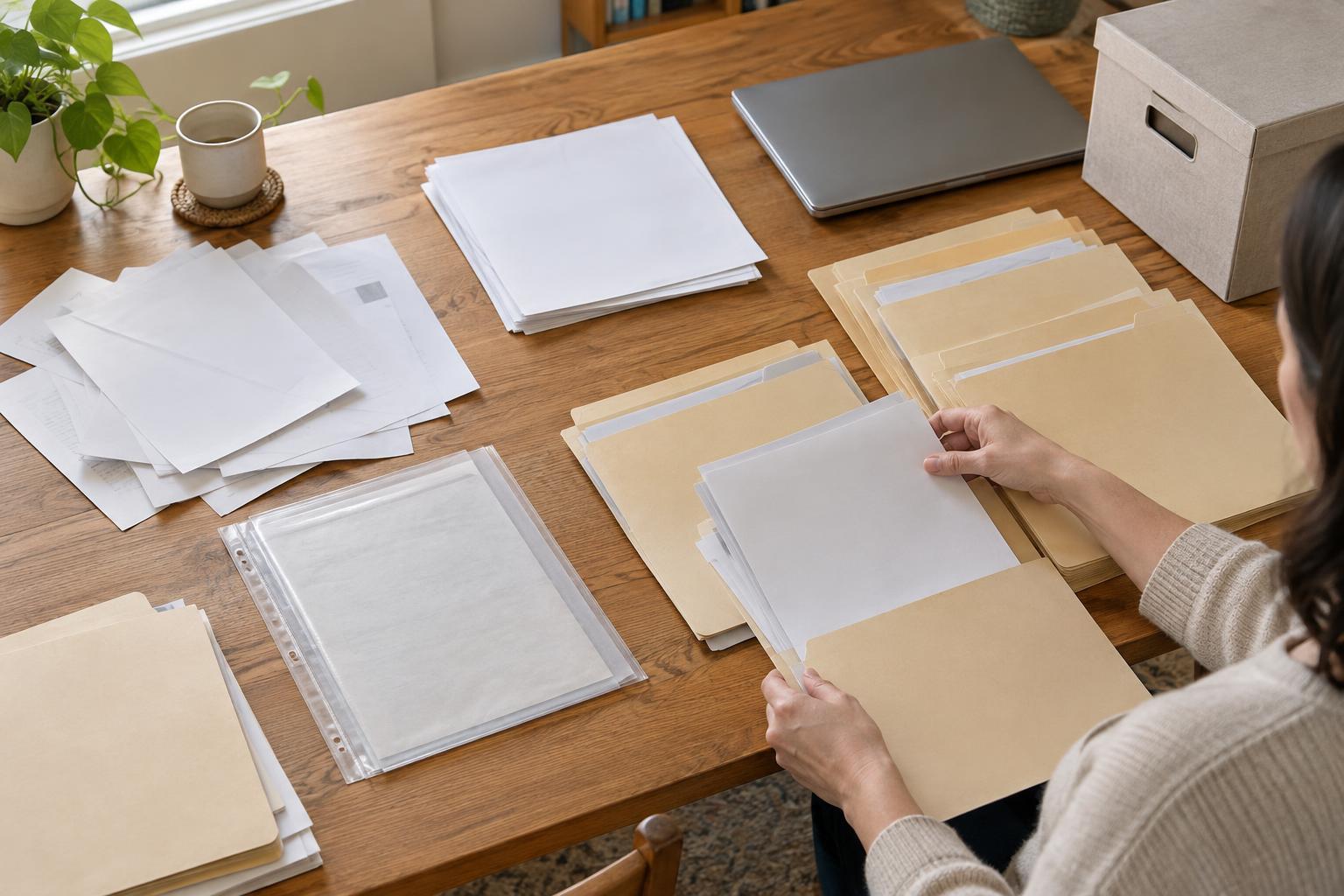
Before filing a pair, lay the pages out in order. Look for pages that are blank on one side, attachments, seals or explanatory notes that might be easy to overlook. A translation may not reproduce the original’s layout, so page numbers and visible details can be more useful than appearance alone. If something seems missing, note the question rather than assuming the two sets are complete.
For paper copies, a folder or sleeve can hold the original-language document directly behind its translation. A small cover sheet with the document name, language and number of pages in each set can help, especially when a folder contains several pairs. Keep the cover sheet separate from the documents so it cannot be mistaken for part of an official record.
Use clear names for digital files
For digital storage, create one folder per document pair and use consistent file names. For example, “Birth_record_original_Spanish.pdf” and “Birth_record_translation_English.pdf” make the relationship clear without relying on the order in which files appear on a screen. Add a short identifier if needed, but avoid putting more personal information in a file name than is useful.
Open each scanned file after saving it. Check that every page is present, upright and readable, including text near the edges. If a document has two sides, scan both when they contain relevant information. Keep an unedited copy of each scan; if you later make a smaller file for upload, give it a different name so you can tell it apart from the complete copy.
Record what the translation is and where it came from
A translation may include a translator’s statement, signature or other accompanying page. Keep those materials with the translation, and record the translator’s name or service in a private index if that information is provided. Avoid removing pages simply because they do not look like the main document.
Requirements for translations vary by organization and purpose. Before submitting anything, consult the receiving organization’s official instructions for accepted languages, format and any translator documentation it requests. An organized folder helps you find materials, but it does not establish that a translation meets a particular requirement. If instructions are unclear, ask the organization what it needs rather than guessing.
Protect the files and track what you share
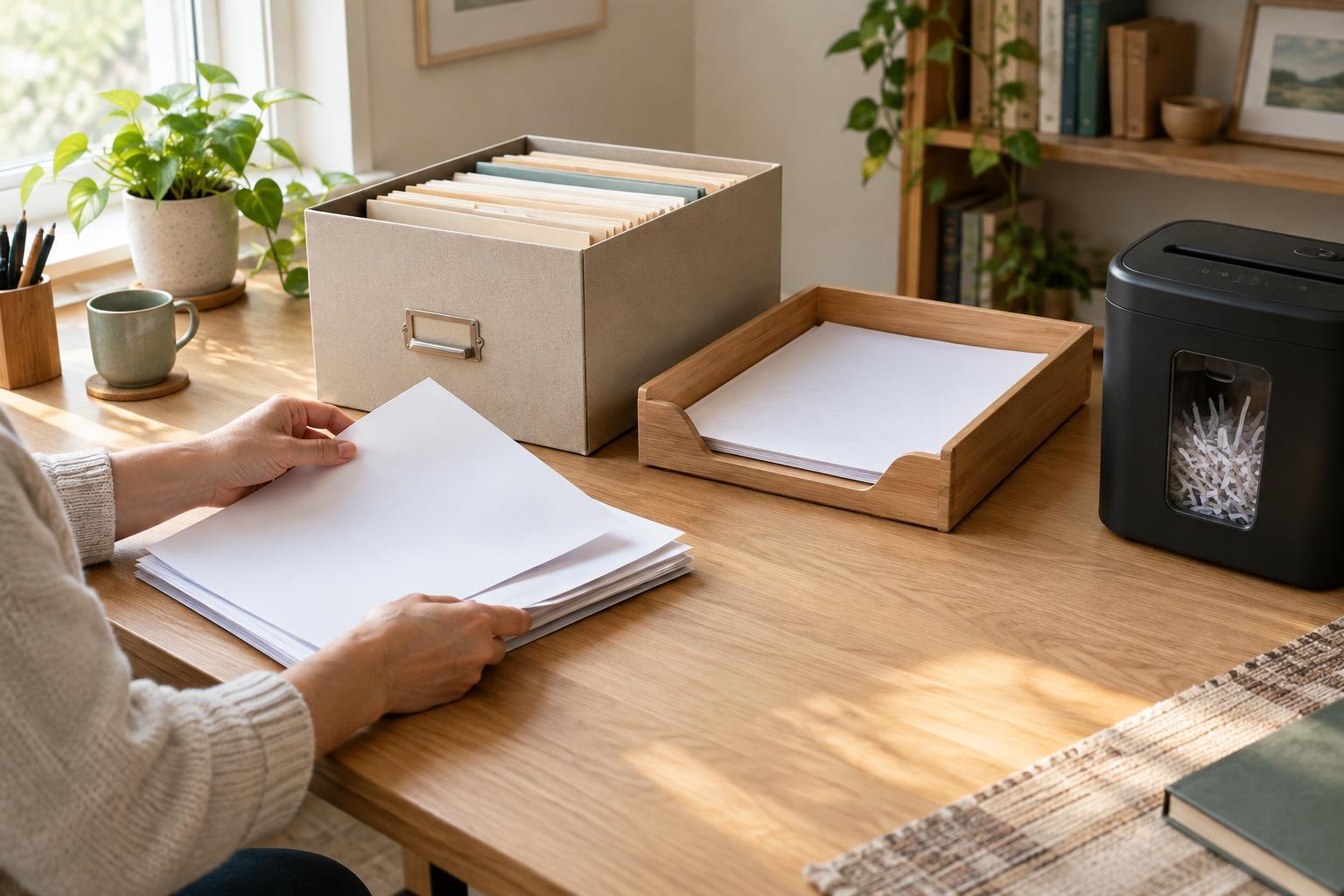
Original documents and translations can contain sensitive personal information. Store paper records somewhere secure, and limit access to digital folders and backups. When sharing files, check the recipient, attachment names and pages before sending. Use the organization’s stated submission method where one is available, rather than sending personal documents through an unfamiliar link.
Keep a brief log of what you submitted, to whom and by which method, along with any confirmation you receive. This can help if you need to locate the same pair again or answer a question about a missing page. Review your folders after a document is updated or translated again: retain older versions only as long as they remain useful, and label them clearly so they are not confused with the version you intend to use.