Start with the agency, not a search result
Before looking for a phone number or office hours, identify the agency responsible for the service you need. A public service may have a national information line, regional offices and local appointment sites, each with different contact details. The name on a letter or form can be a useful starting point, but the office that sent a document is not always the office that handles general questions.
Search for the agency’s main website, then use its own Contact, Locations or Offices page. If you know the name of the office, look for it in the agency’s location directory. Search results can also show advertisements, business listings or copies of old pages. Rather than relying on a number shown in a result preview, open the agency page and check the details there.
Website addresses and layouts vary by jurisdiction. A familiar-looking name or logo alone does not establish that a page is official. If you are unsure, look for the agency through a public-service directory or another government website you already trust, and follow its link to the agency.
Match the contact details to your purpose
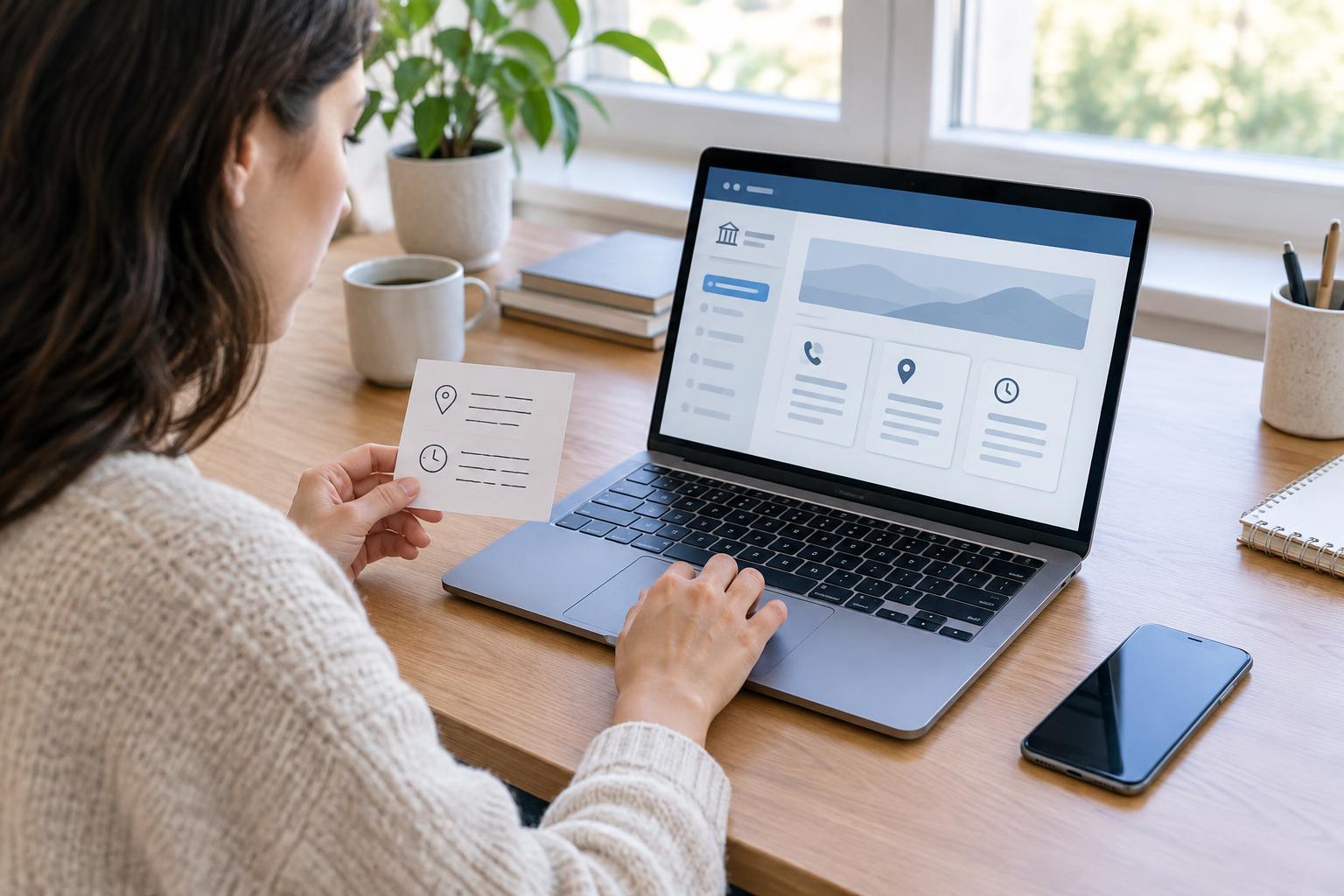
Read the labels beside each number or address. Agencies may publish separate contacts for general enquiries, particular programs, technical help, appointments, document submission and complaints. A street address may be for visitors, while a mailing address may be for forms. Check whether the page says the office accepts walk-ins or requires an appointment.
Office hours also need context. A page might list building hours, telephone hours and counter-service hours separately. Some services are offered only on certain days, even when the building is open. If you need a language service, accessibility support or a specific type of appointment, look for instructions about requesting it before you travel.
If you have a reference number or recent letter, keep it nearby when you call so you can explain which service you mean. You do not need to enter personal details into an unfamiliar website merely to find an agency’s published contact information.
Check how current the information is
Hours and locations can change. Look for notices on the agency’s website about temporary closures, relocated offices or changes to phone service. A page’s publication date, if shown, offers context, but it is not a guarantee that every detail is current. This is especially worth checking before a long journey or when a deadline affects your plans.
Compare the main contact page with the individual office listing. If they disagree, do not guess which is right: use a published general enquiries number or contact form to ask. You can also check whether an appointment confirmation gives different instructions for your visit. Save the page address and note when you checked it, so you can find the same information again.
Watch for unofficial listings and contact traps
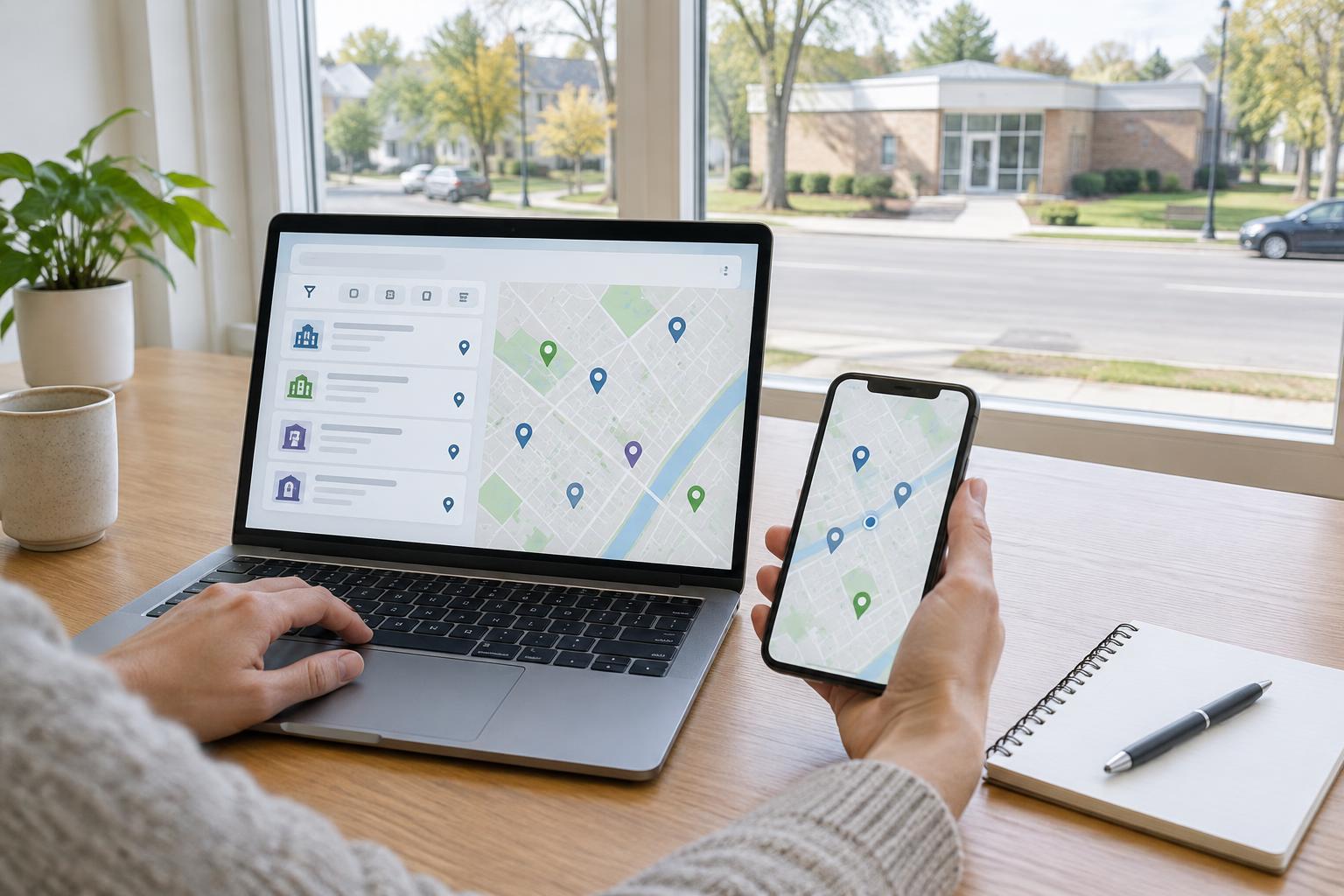
Map listings and third-party directories can help you locate a building, but their hours and phone numbers may not reflect the agency’s latest instructions. Treat them as a cross-check rather than the final source. Be particularly cautious with a page that imitates an agency while urging you to pay a fee, call a premium-rate number or provide sensitive information just to obtain basic contact details.
If a search result offers a number that differs from the agency website, use the number published by the agency or ask through another contact method listed there. When following a link from an email or text message, consider finding the agency website independently instead. This reduces the chance of reaching a lookalike page.
Prepare a simple contact plan
Write down the office name, the service you need, the published phone number or contact page, and the hours for that particular channel. If visiting, note the visitor address, appointment requirements and any instructions about documents to bring. Keep mailing addresses separate from visitor addresses so a form does not end up at the wrong location.
When you call, ask the office to confirm its hours and whether it handles your question. If you cannot get through, the agency may offer a contact form, an alternative number or an appointment system. Keep a brief record of which published channel you tried and when. A few minutes spent checking the right office and its current instructions can prevent a missed visit or an unnecessary call.