Start with a purpose and a small set of records
A timeline is a list of events in date order. It can make a complicated set of letters, forms, emails, and notes easier to understand. You might use one to prepare for a phone call, check whether you have answered a request, or explain a sequence of events to someone helping you. It does not need to be a perfect account of everything. Its job is to help you find and verify the important steps.
Begin by deciding what the timeline covers, such as one application, one service request, or one period of caring responsibilities. Gather the records related to that purpose: letters received, copies of forms sent, email or portal messages, appointment details, delivery confirmations, and notes you made after conversations. If the pile feels large, start with the most recent letter and work backward. Keep the original records together while you sort; the timeline should point to them, not replace them.
Give each event a consistent entry
Use a notebook, a document, or a simple spreadsheet—whichever you can comfortably update. For each event, record the date, what happened, who was involved, the record that supports it, and whether anything needs to be done. A useful entry might say: “Letter dated 12 March requested a completed form; received 15 March; copy in folder A; response not yet sent.” This separates the date printed on a letter from the date it reached you.
Keep descriptions brief and factual. “I uploaded the form and saved a confirmation message” is clearer than “Everything was sorted out,” unless a record confirms that outcome. For a phone call, note when it took place, the number or office you contacted, the subject discussed, and any next step you understood. A call note is still useful even if you have no written confirmation, but label it as your note rather than an official record.
Handle uncertain dates and missing pieces openly
Records do not always arrive in a neat sequence. A form may show when you signed it but not when it was sent. A letter may be dated days before it arrived. Instead of choosing one date and treating it as certain, record both dates when you know them. If you only remember that a call happened in early May, write “early May, approximate” until you can check a call log or another record.
Leave visible gaps rather than filling them with guesses. You can add an entry such as “Reply expected after form sent; no reply found in records checked so far.” If you later find a missing message, add it in the right place and note when you updated the timeline. This approach makes the timeline more dependable and helps you distinguish what the documents show from what you recall.
Connect the timeline to an easy-to-find filing system
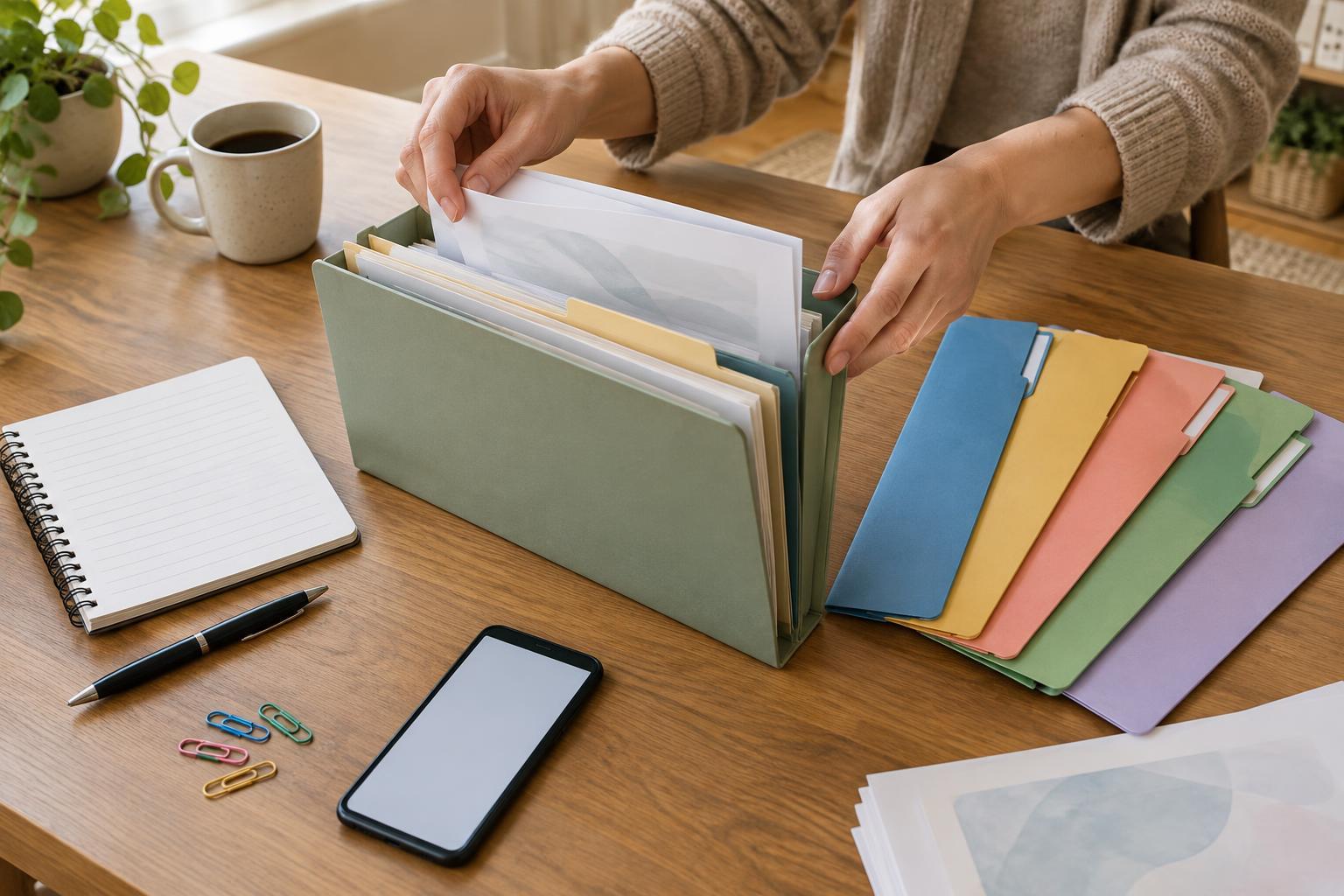
A timeline works best when you can quickly locate the record behind each entry. Give paper documents simple labels, such as “Letter 01” or “Form 03,” and write those labels in your timeline. For digital files, use consistent names that include a date and a short description, such as “2024-03-12-letter-request-for-form.” If you use dates in file names, keeping them in year-month-day order helps files sort chronologically.
Store related records in one clearly named folder, with subfolders only if they make things easier to find. Save copies of messages and submission confirmations when possible. If you photograph paper letters, check that every page is legible and included. Keep sensitive records somewhere reasonably secure, and share only the pages someone needs for a particular task. Avoid putting full account numbers, passwords, or other unnecessary personal details into the timeline itself.
Review it before using it
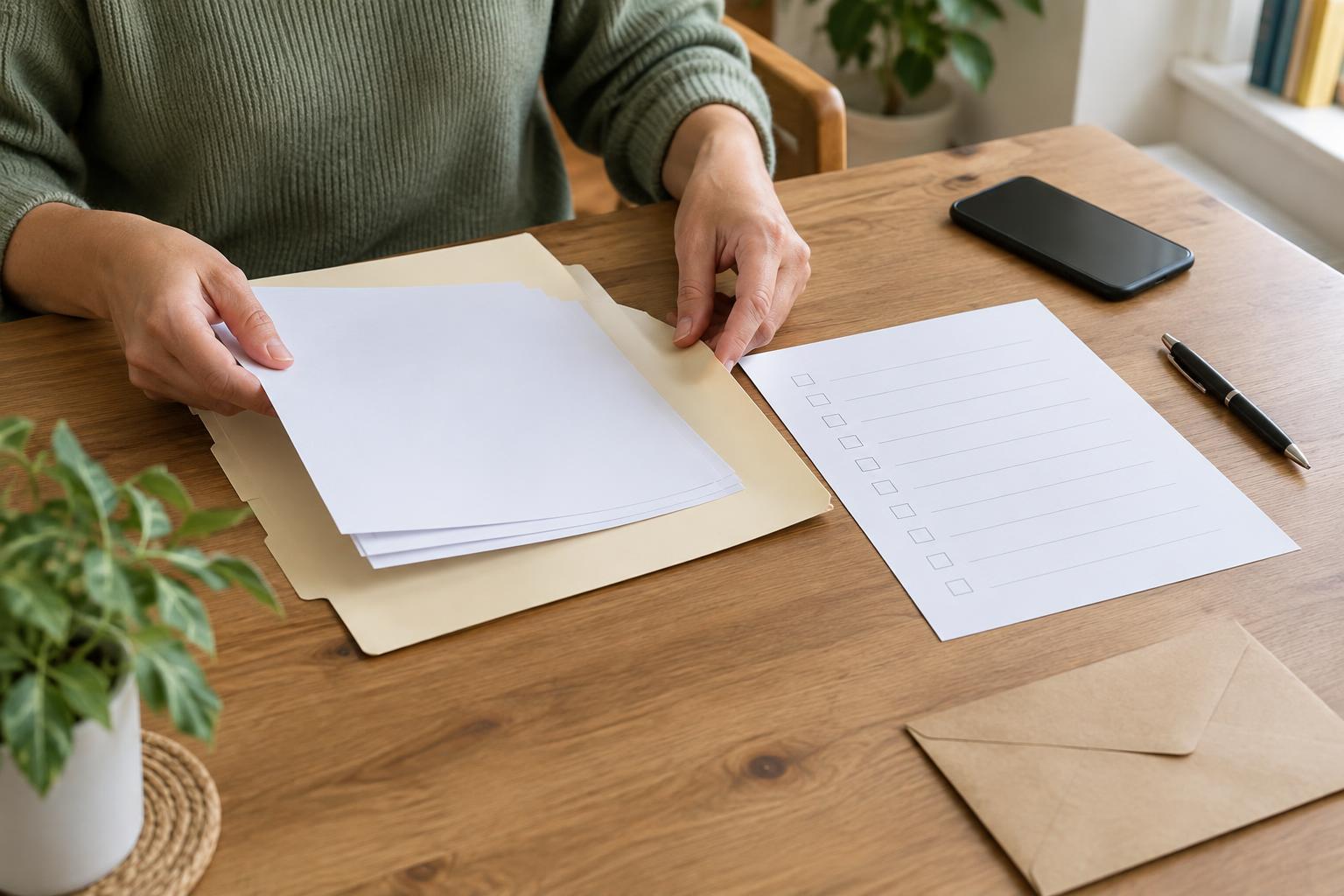
Once the events are in order, read through them from start to finish. Look for unanswered requests, promised follow-ups, conflicting dates, and entries that lack a supporting record. Add a short “next steps” note separately from the history so that a task you plan to do is not mistaken for something already completed. If another person helps you organize the records, check the finished timeline together and correct any misunderstanding.
Bring the timeline alongside the original records when you need to discuss an issue. It can help you ask a focused question, but the relevant organization’s own records and instructions may contain details your timeline does not. Update your copy after each new letter, submission, or conversation. A few minutes of maintenance can keep it useful without requiring you to reconstruct the story each time.